Community halls

A hall kitchen is used by fifty different people a year, and none of them read the manual.

Kitchen and catering equipment for village halls, community centres and church halls. Specified to be simple, robust and safe in the hands of volunteers and hirers, and chosen to make the hall lettable for the events you actually want.

Typical siteVillage halls and community centres
Used byVolunteers, hirers and outside caterers
Chosen forSimple controls and low running cost
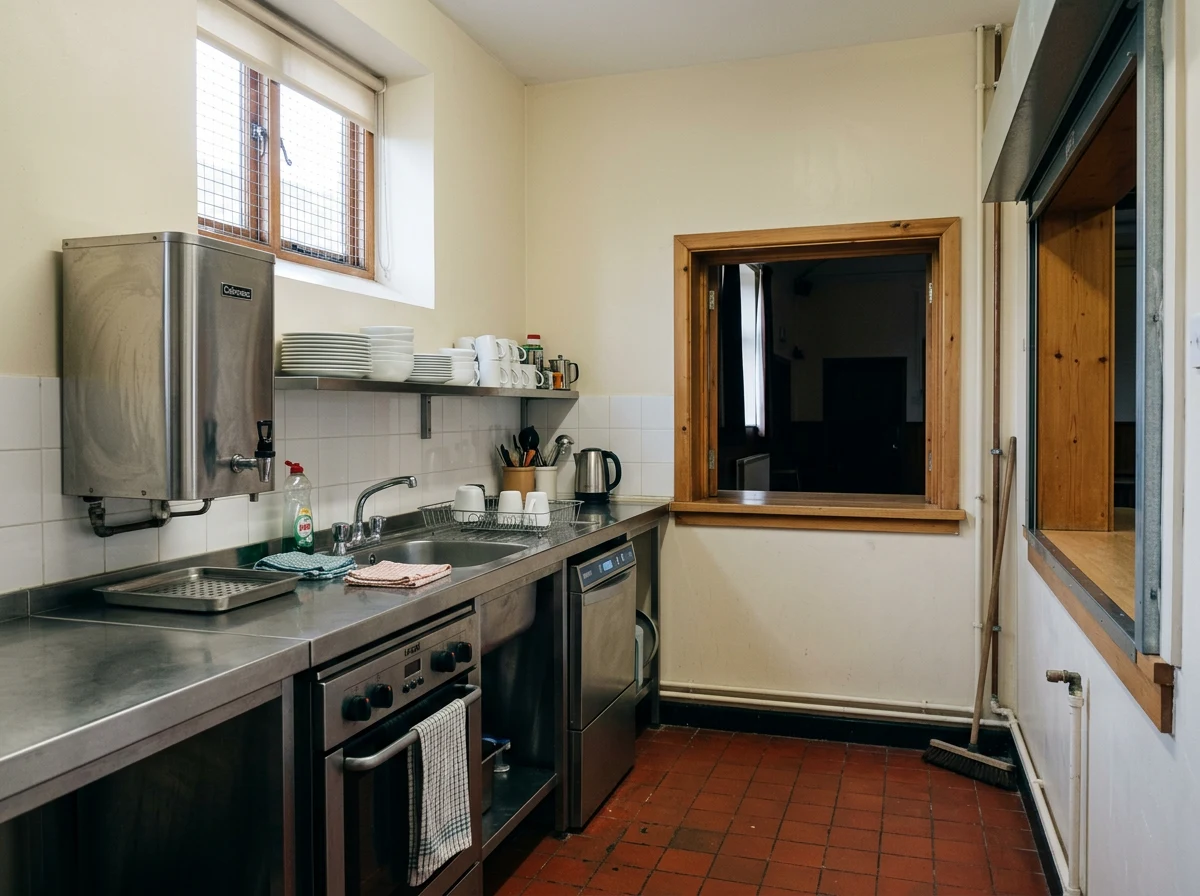
Village hall kitchen with a small commercial oven, dishwasher and serving hatch
What we plan aroundThe people using itSimple controls, obvious cleaning, hard to damage
What is different here

Nobody who uses it was trained on it

A hall kitchen is public equipment. Six things shape almost every specification we write for one.

Volunteers run it

Controls have to be obvious, cleaning has to be obvious, and it has to be hard to break by accident.

Simple by design

Every hirer is different

A funeral tea, a wedding, a toddler group and a Saturday market all use the same room in one week.

Flexible provision

Idle most of the week

Equipment that idles cheaply and starts reliably beats equipment with a high peak output.

Low standing cost

Public safety and insurance

Gas safety records, interlocks and clear signage matter more when the users change weekly.

Certificated

Storage and lockdown

Hirers should reach what they need and nothing else. Lockable storage prevents most of the damage.

Lockable provision

Hire income pays for it

A hall with a usable kitchen lets for more, more often. That is usually the business case.

Income led
Applying for a grant or planning a refurbishment?We can provide a specification and a written quotation in the format most funders ask for.
Scope

Cooking, cold and washing up

Three modest areas. The trick is choosing the right level, not the highest one.

Cooking

Enough, and no more

Equipment matched to the events the hall actually hosts, rather than to a professional kitchen.

  • Commercial ovens and ranges with simple controls
  • Water boilers for tea and coffee at volume
  • Hot cupboards and holding for served meals
  • Countertop equipment that stores away
  • Gas interlock and extraction where required
Cold

Storage for a full hall

Enough refrigeration for a hirer bringing in food for a hundred people.

  • Upright fridges and freezers
  • Undercounter refrigeration where space is tight
  • Lockable storage for hall-owned stock
  • Temperature monitoring where food is stored
  • Sensible siting away from heat
Washing up

The part that runs late

A hall that cannot wash up quickly is a hall that empties late and gets left dirty.

  • Commercial dishwashers and glasswashers
  • Double sinks with drainers
  • Hand wash provision separate from food sinks
  • Racking and drying space
  • Simple dosing that is hard to get wrong
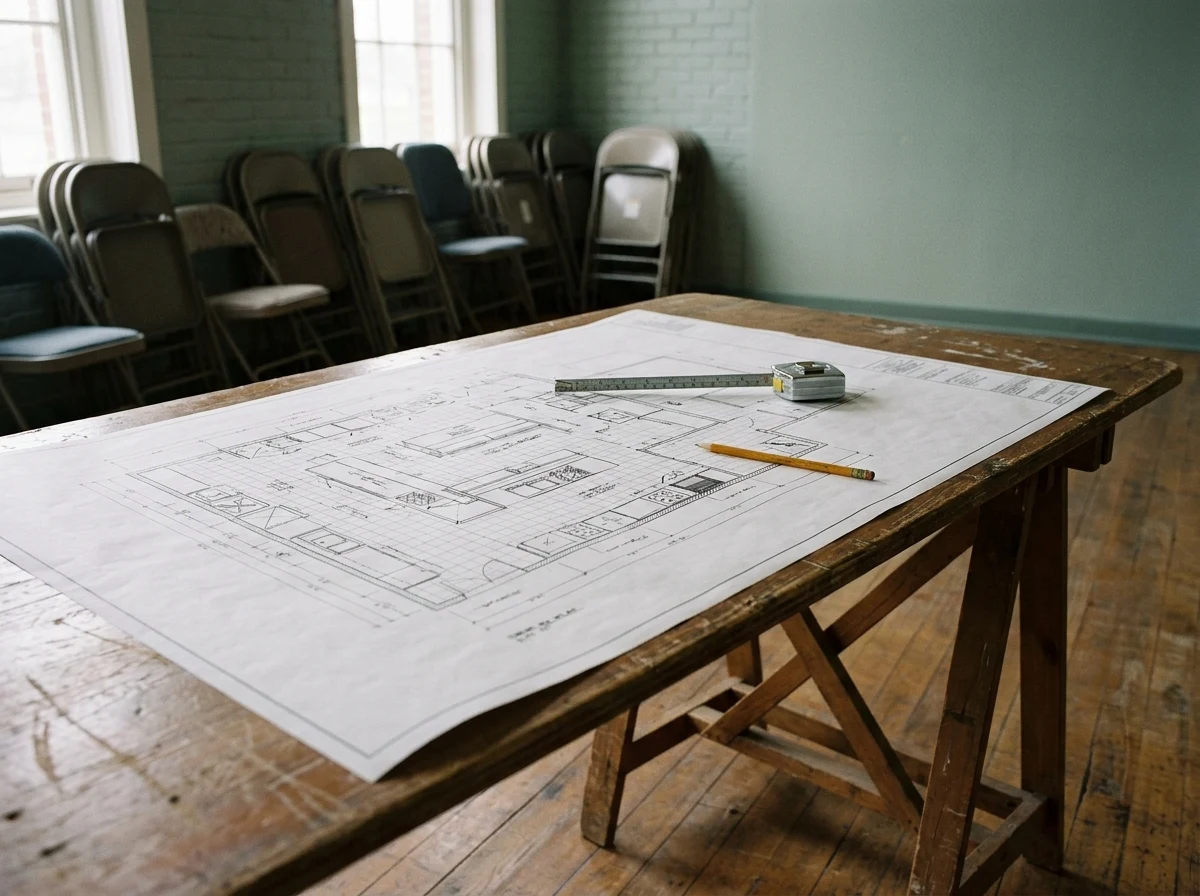
Printed commercial kitchen layout drawing on a trestle table in a community hall
Drawn before it is boughtA layout the committee can approve and a funder can read
Specification and funding

A drawn layout and a proper quote is what most funders ask for

  • A drawn layout the committee can agree on before any money is committed.
  • An itemised specification with each item justified, which is what grant applications need.
  • Options at two or three levels, so the hall can do the essentials now and the rest later.
  • Running costs stated, since a committee has to fund them from hire income.
  • Services confirmed, gas, power, water and extraction, before anything is ordered.
  • A written quotation valid long enough to get through a funding round.
Compliance

Public use raises the bar

A kitchen used by the public and by hirers carries obligations that a private kitchen does not. Most of them are straightforward if they are dealt with at specification.

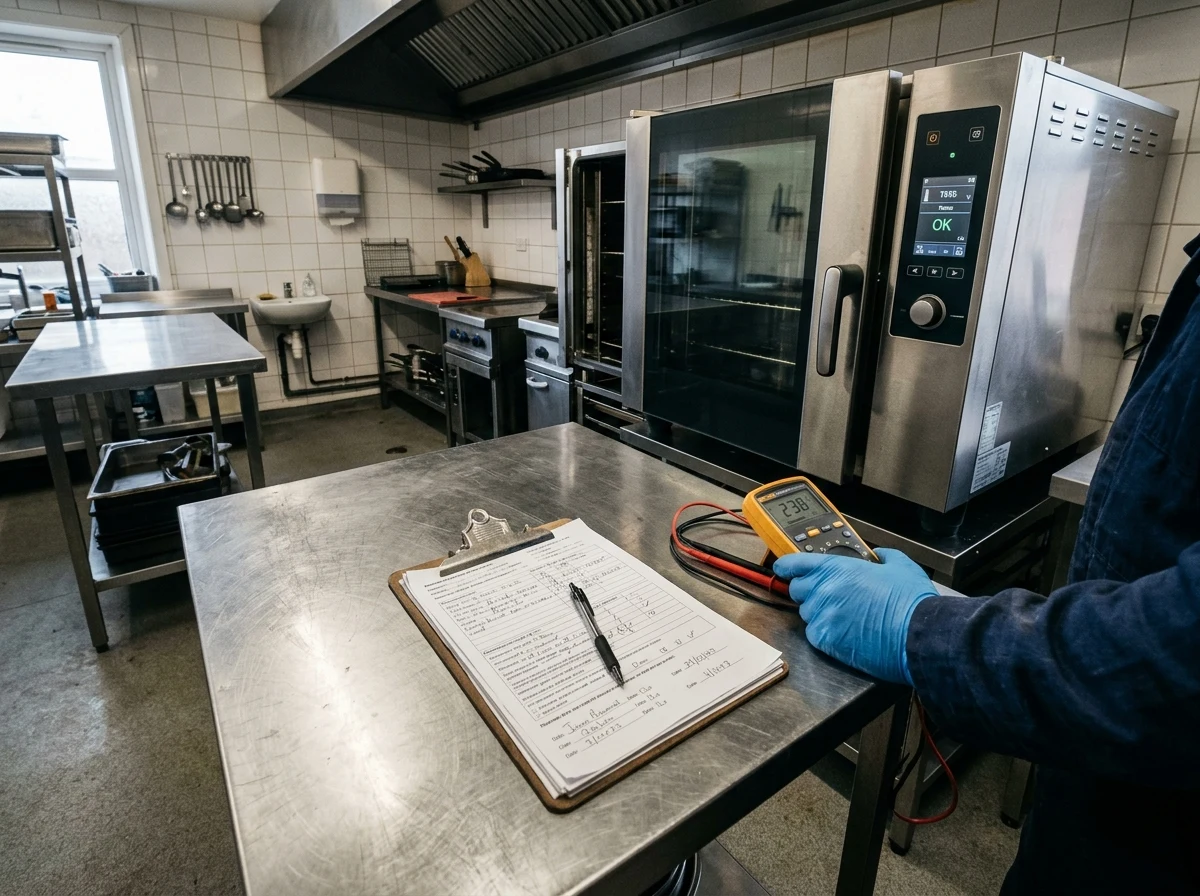
Commissioning paperwork and a test meter beside a newly installed hall kitchen oven
Certificated at handoverGas, electrical and commissioning records for the hall file
Hire income

A usable kitchen lets the hall out more often

The kitchen is usually the thing that decides whether a hall gets booked for a wedding, a wake or a regular lunch club. Modest, well chosen equipment changes what the hall can offer.

  • Enough capacity for a full hall sitting, which is what caterers ask about first.
  • Equipment an outside caterer will accept, so the hall is not ruled out at enquiry.
  • Fast washing up, which decides how late the building is occupied.
  • Lockable hall stock separated from hirer space, reducing loss and disputes.
  • Low running cost, so hire rates stay affordable to the community.
  • Phased purchase, so improvements track the money coming in.
Talk about a phased plan
Volunteers pouring tea from a stainless urn at a village hall serving hatch
How it runs

From committee meeting to first booking

1

Site visit

We look at the room, the services and the events you want to host.

2

Layout and options

A drawn layout and an itemised quote, usually at two or three levels.

3

Funding

You take it to the committee or the funder. We will answer their questions in writing.

4

Install and commission

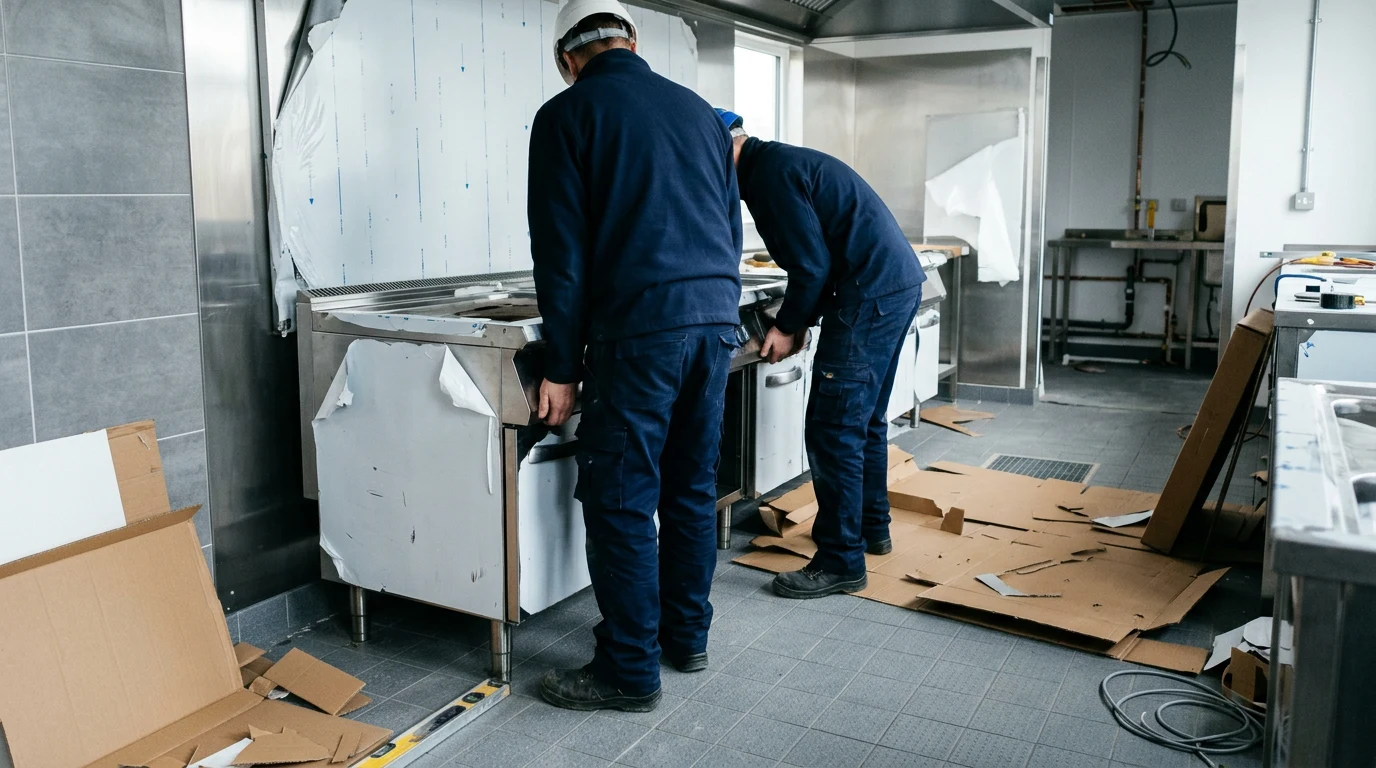
Fitted, commissioned, certificated and demonstrated to the volunteers who will run it.

5

Service contract

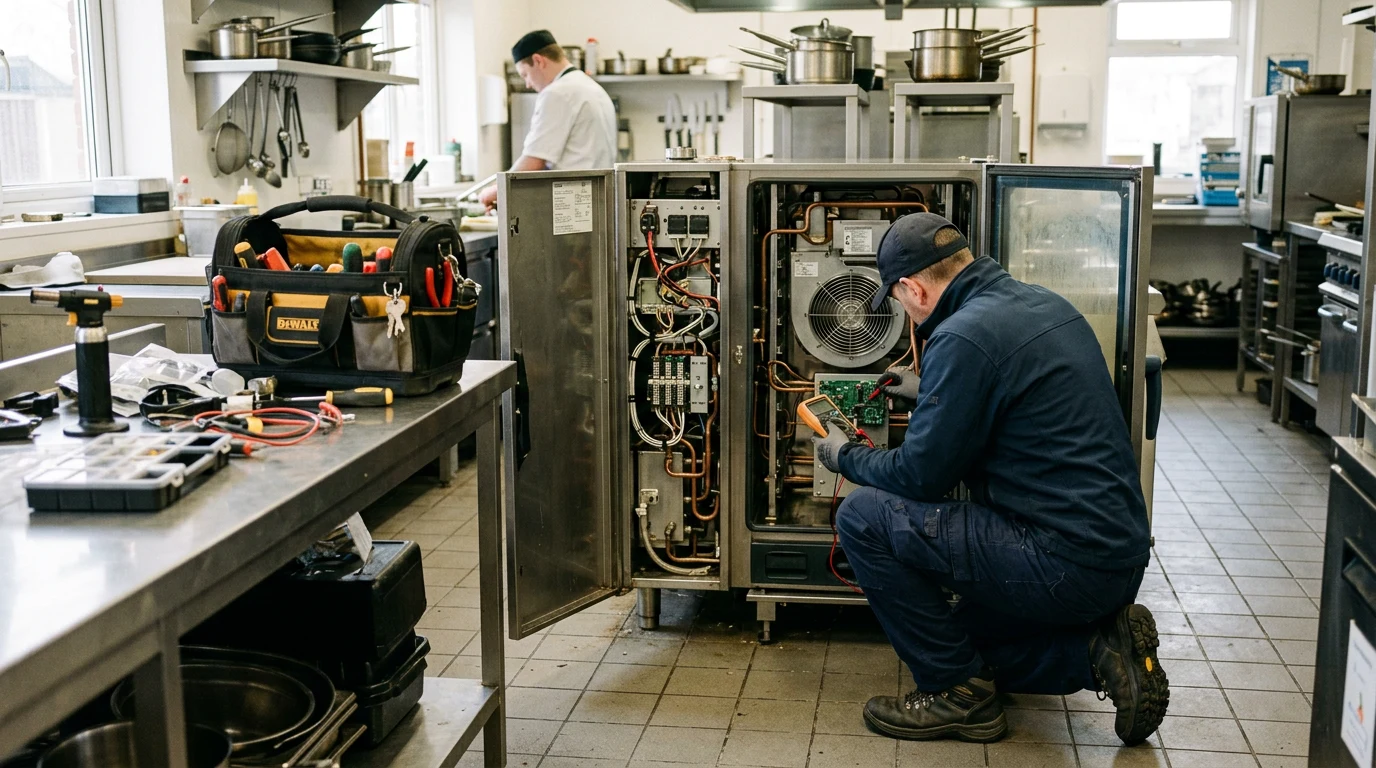
An annual visit that keeps the certification current between committees.

2–3 options
Specified at levels a committee can choose between
Annual checks
Gas safety and certification kept current
UK-wide
Village halls and community centres
Questions

What committees ask first

Do we need commercial equipment, or will domestic do?

If the kitchen is used by hirers or serves food to the public, commercial equipment is the right answer for durability, capacity and compliance. We will say plainly where a domestic item is acceptable.

Can you provide a quote for a grant application?

Yes. An itemised specification and a written quotation, valid long enough to get through a funding round.

Can we do it in stages?

Yes, and most halls do. We will tell you the sensible order so early spending is not wasted.

Who is responsible for gas safety?

The hall, as the operator. An annual service contract keeps the certification current regardless of who is on the committee.

Will volunteers be able to use it?

That is the main thing we specify for. Simple controls, obvious cleaning and equipment that is hard to damage by accident.

Do you provide training at handover?

Yes, for the volunteers who will look after the kitchen, and written notices for hirers.

Keep reading

Related services

Talk to us about your hall

Tell us what the hall hosts and what it cannot host yet.

We will visit, draw a layout and quote at two or three levels so the committee has a real choice.

Speak to the team · Mon–Fri 9–501200 411 914

We reply to every enquiry within one working day.