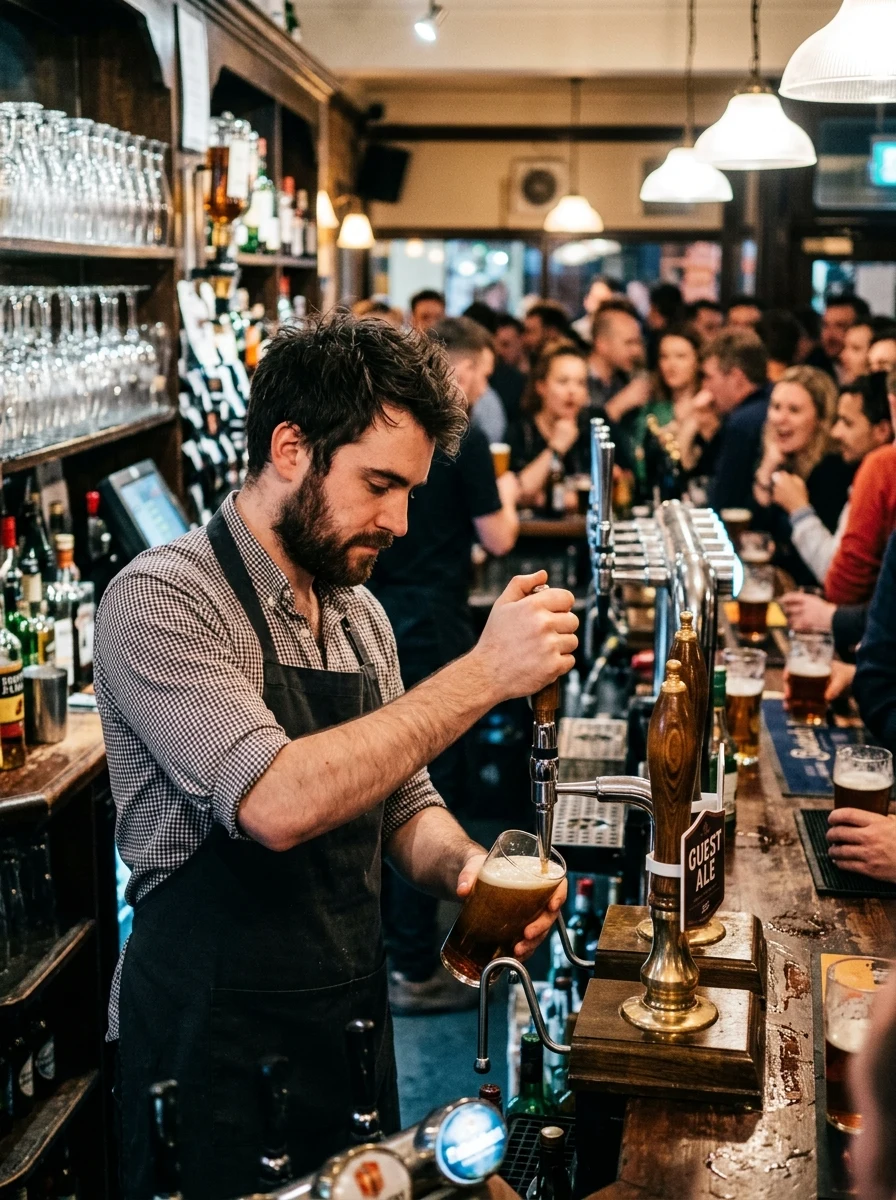
Glasswashing, ice, bottle cooling, cellar refrigeration and the compact kitchens behind them. Specified for a Saturday night, fitted into the space behind the bar, and serviced by engineers who understand that Friday is the wrong day to break down.

Nobody notices the equipment until there are no clean glasses and no ice. Six things shape most bar specifications.
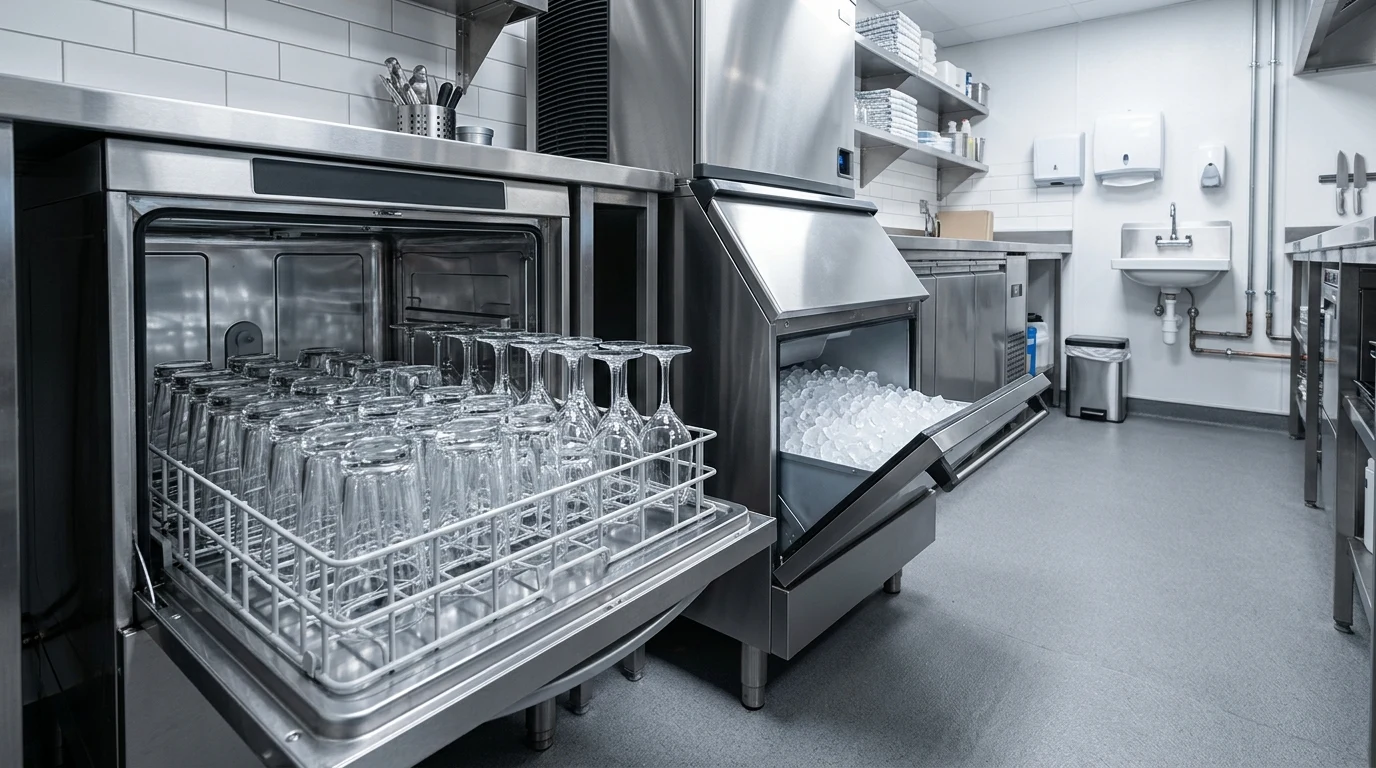
Glasswasher capacity and cycle time decide whether the bar keeps serving. It is the first thing to underspecify.
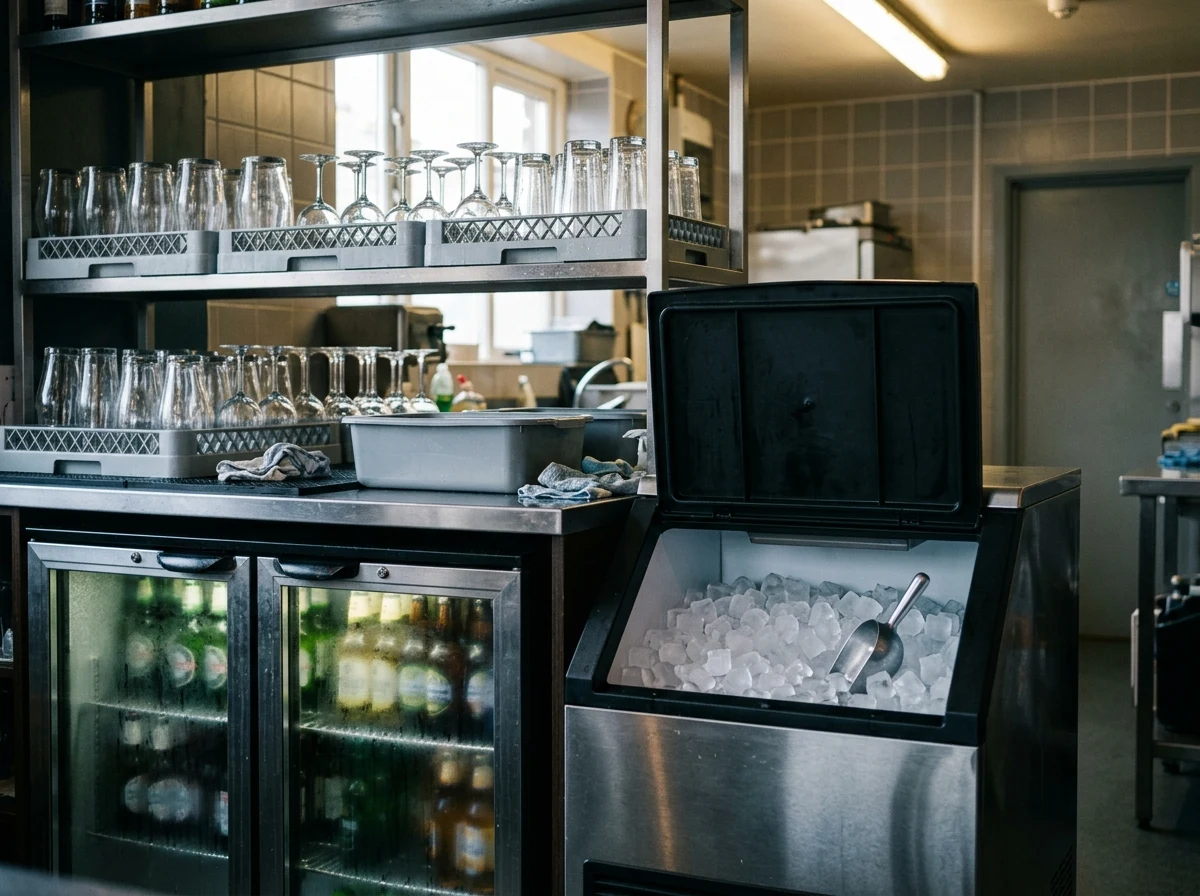
Cycle time ledDaily ice demand is almost always underestimated. Production rate and bin storage are two separate numbers.
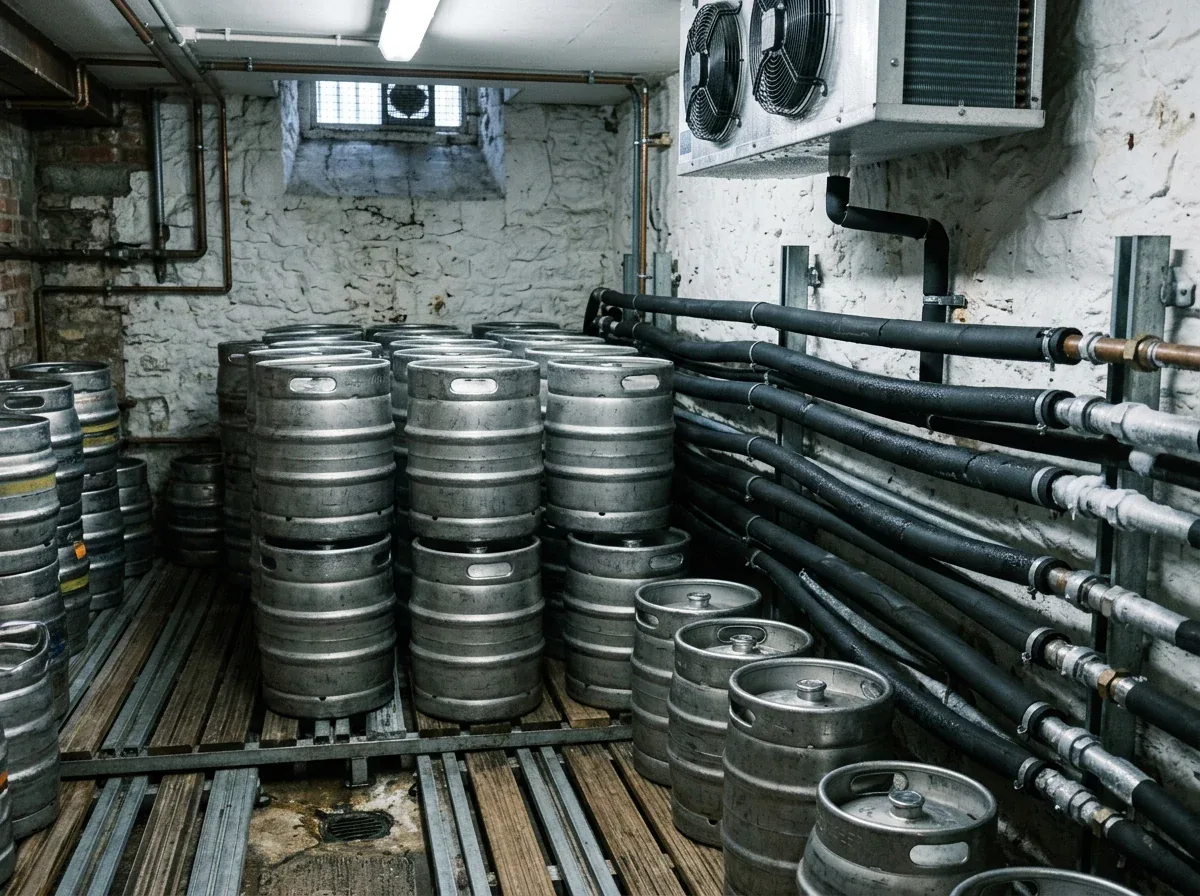
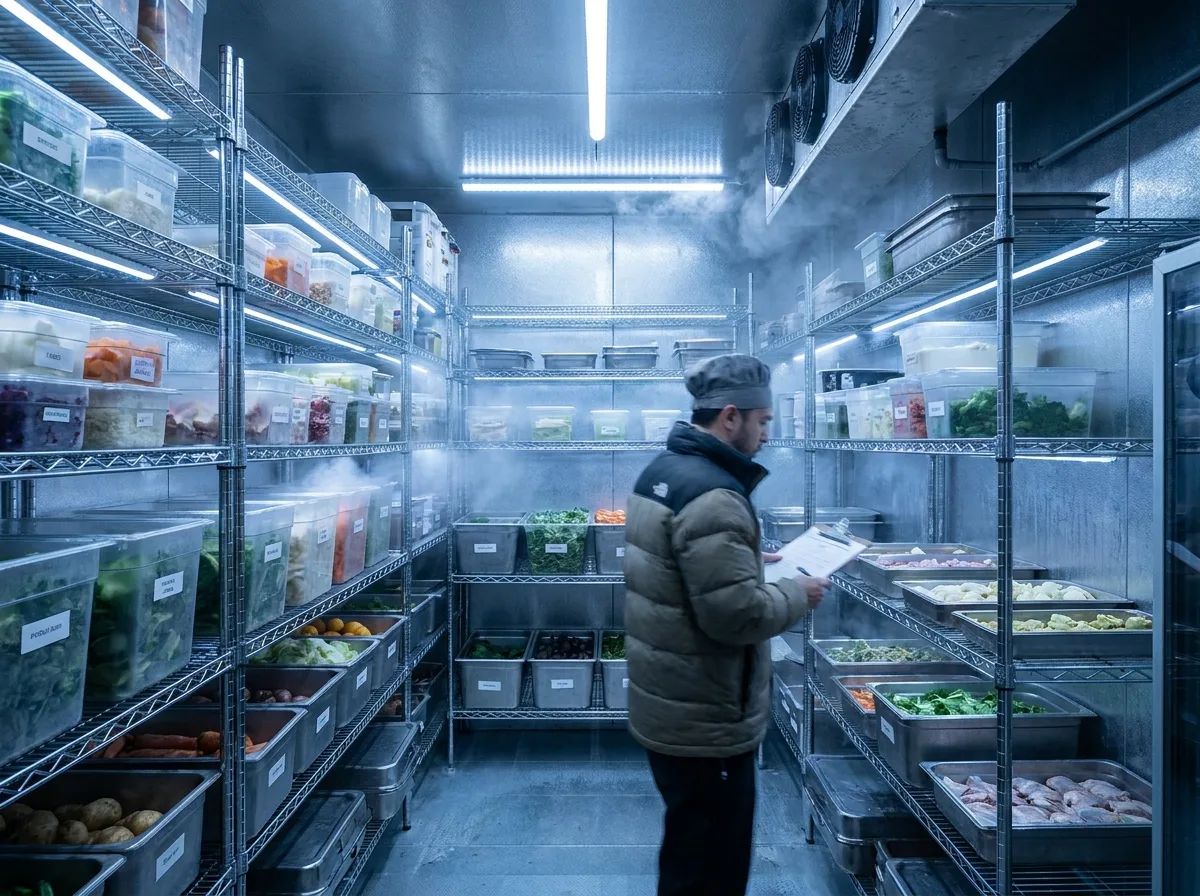
Both numbers checkedBeer quality and shelf life come down to cellar temperature. A failing cellar unit costs stock as well as service.
MonitoredThe space behind a bar is fixed. Equipment has to fit the run, ventilate properly and still be serviceable.
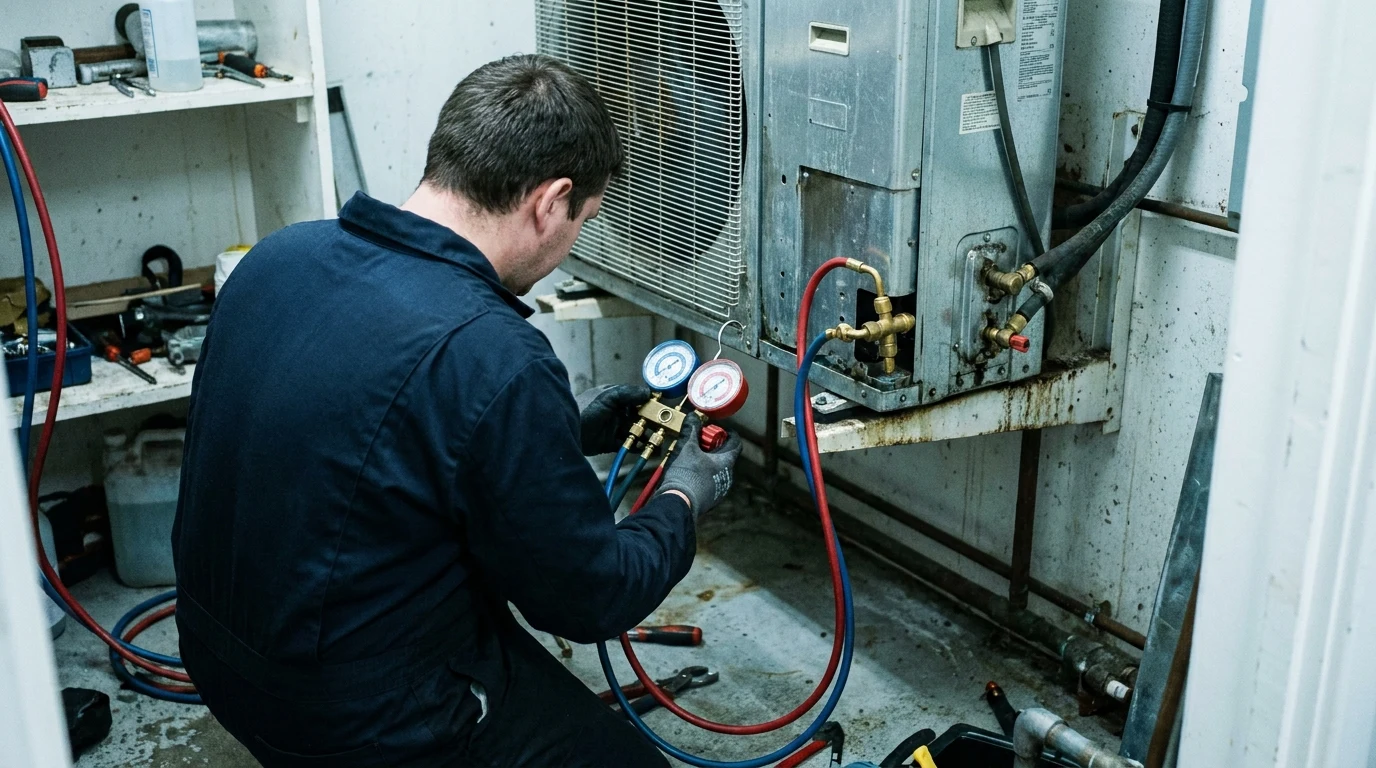
Surveyed to the millimetreBars run hardest when nobody can attend. Planned maintenance and priority response matter more here than anywhere.
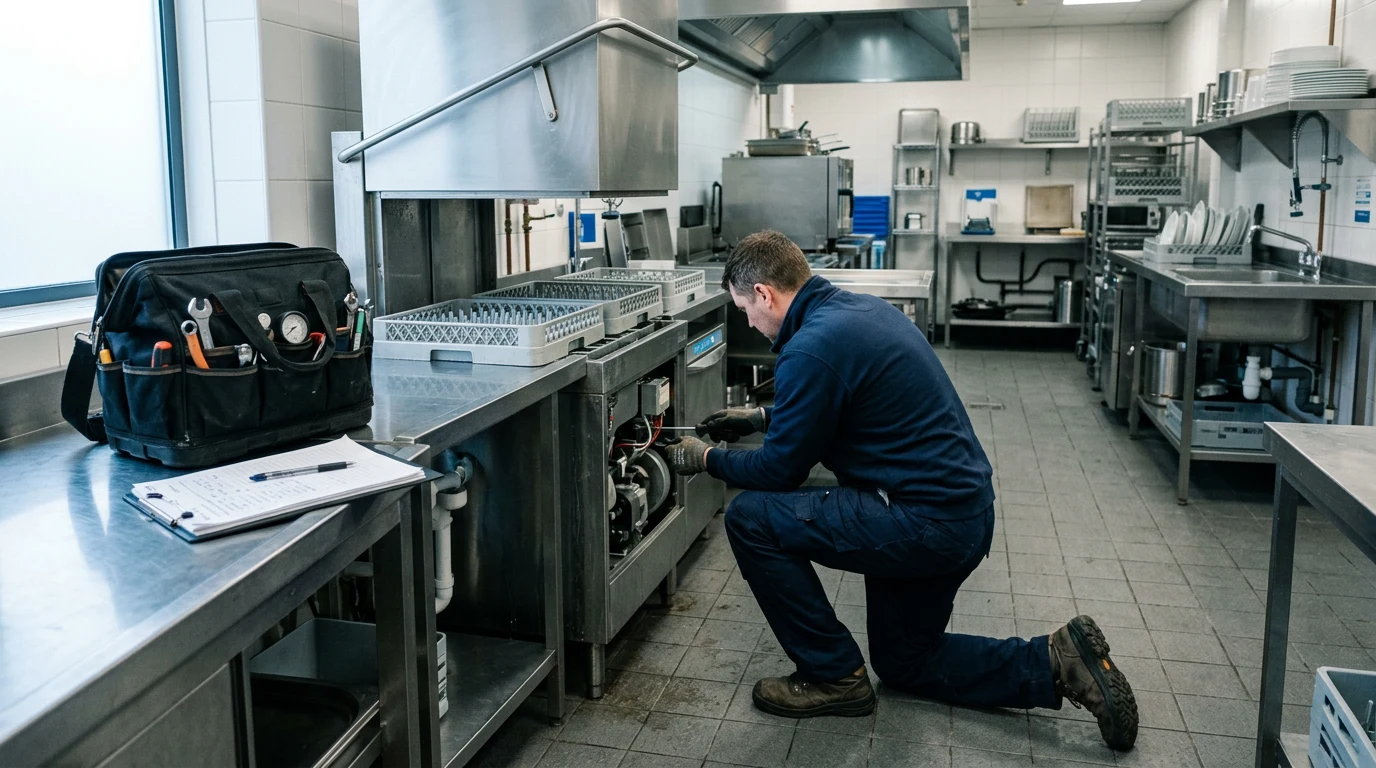
Priority responseMost wet-led sites now serve food from a tight kitchen. It still needs extraction, warewash and a gas interlock.
Compact kitchensThe three areas that stop a venue trading, specified and serviced together.
Everything undercounter, sized for the peak and laid out so the staff are not walking.
Cooling, lines and layout that protect stock and keep the pour right.
A small food offer still needs a real kitchen behind it.

Glasses per hour and kilos of ice per day. Get either wrong and no amount of staff makes up for it.

For a pub company or a group, standardising the bar run means staff move between sites, spares fit, and a breakdown is a swap rather than a survey.

The bar run measured, the cellar looked at, and your busiest trading pattern understood.
Glass, ice, cooling and kitchen sized to the peak, with what fits the space confirmed.
Work booked around trading, usually early week or overnight.
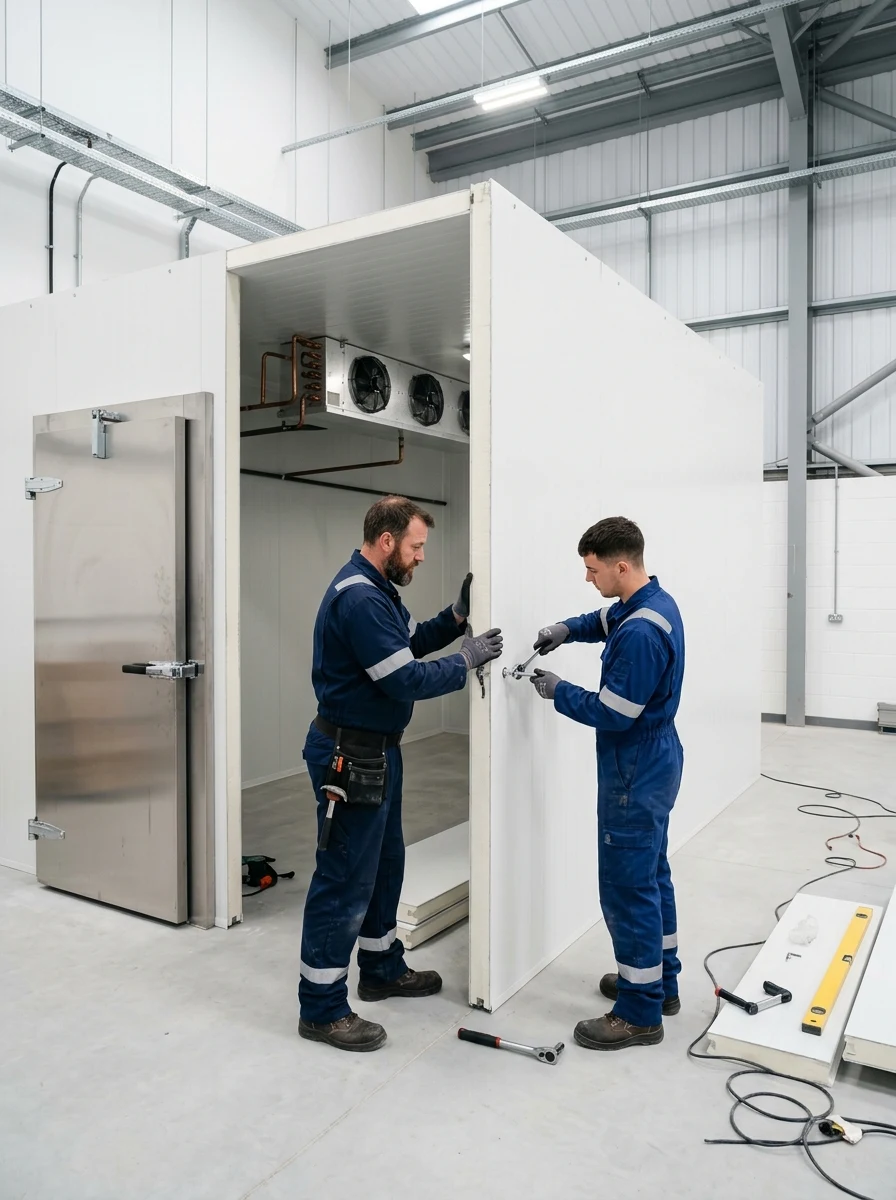
Fitted, commissioned, certificated and demonstrated to the bar team.
Planned visits before the busy season and priority response when it matters.
It comes from the peak hour rather than the week. We count glasses through the busiest two hours, then look at cycle time and rack size, and often recommend two smaller machines over one large one.
Sometimes, but usually it is undersized, poorly ventilated or scaled up. All three are worth checking before replacing it.
Yes. Bar work is normally done early in the week or overnight so you do not lose a weekend.
Yes, as part of the refrigeration scope, and it can go on the same service contract as the bar and kitchen.
Usually. It needs honest advice about extraction, gas interlock and warewash, and sometimes it needs the menu trimming to fit the space.
We will size the glass, ice and cooling around your busiest hours and fit it into the run you have.
Speak to the team · Mon–Fri 9–501200 411 914